Sustainable Livelihood Development Project
The website is developed to share the Farmer Management Information System for the SLD project
Optimising operations | Improving monitoring & Evaluation | Ensuring traceability

FMIS: Boosting insights
Designed for REMOTE areas
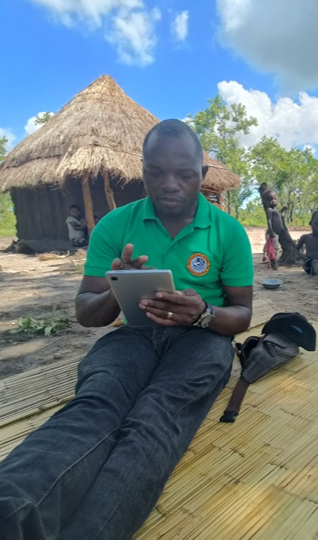
FMIS works offline and synchronizes when internet connection is restored. All data types can be collected offline.
Optimised RESOURCES allocation
FMIS provides insightful analyses and reports, enabling efficient resource allocation and infomred decision-making to maximise project productivity.
Adapted to your NEEDS
FMIS adapts to organisational structure.
System configuration
Customisation of the system to suit your network and company structure, ensuring seamless integration and adapted functionality.
FARMER management
Efficient management of producers, including recording and monitoring their activities. Support to produce better quality and higher yields, increasing agricultural productivity.
Dashboards
Control of all the processes for your activities through intuitive dashboards. Report management with data summarised in graphs to support efficient decision-making for your business.
About the SLD project
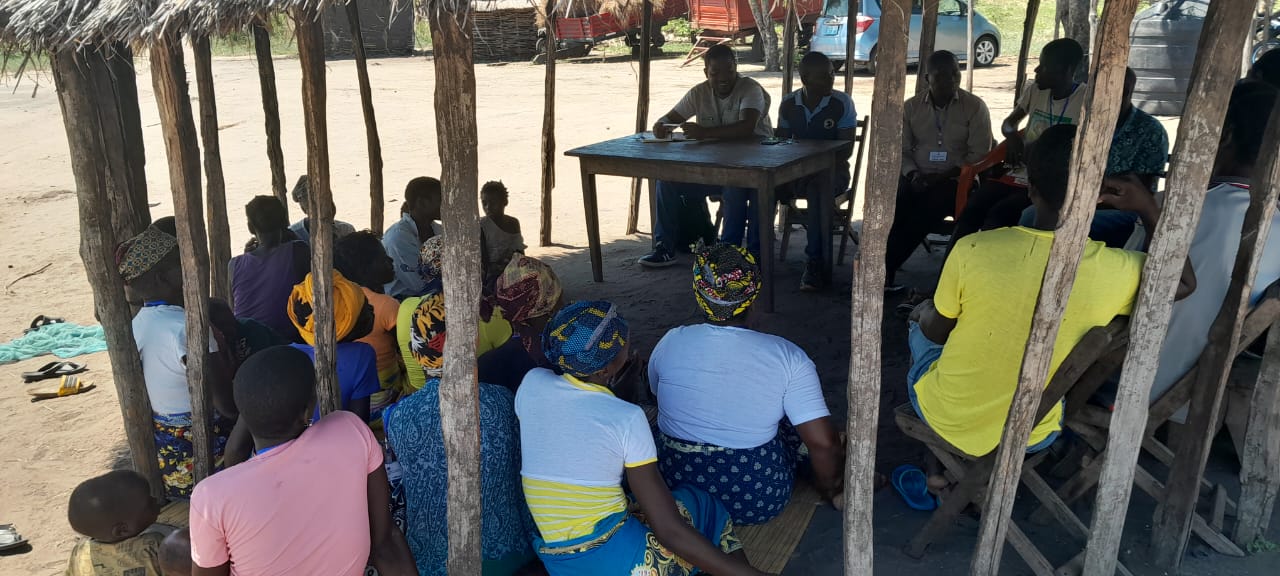
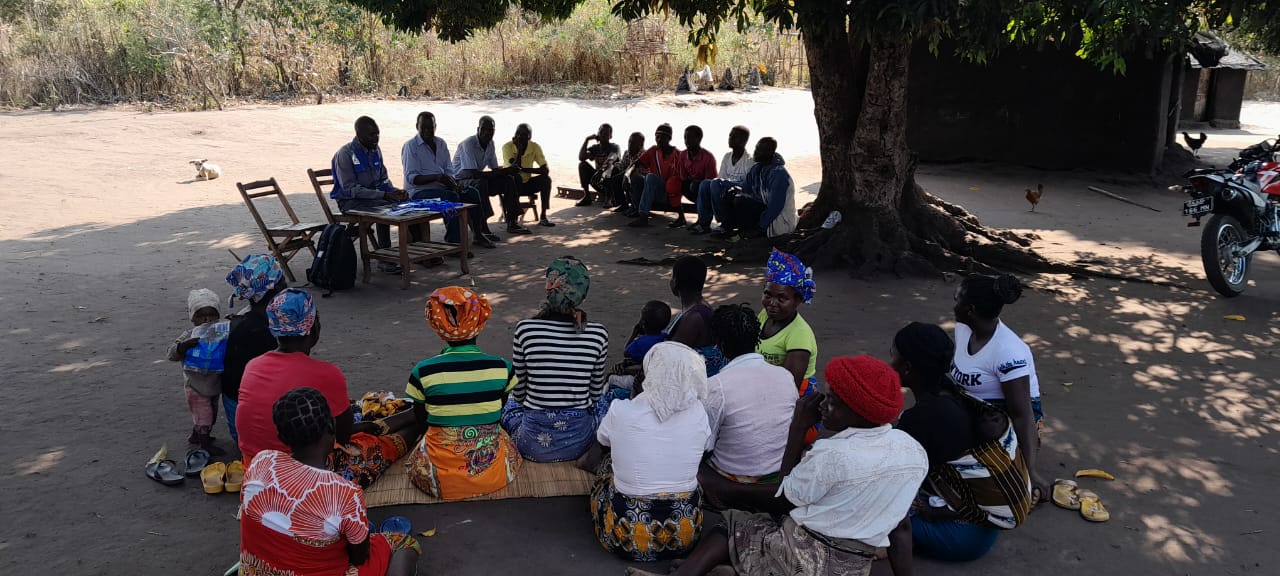
The Embassy of the Kingdom of the Netherlands in Mozambique, in partnership with the Gorongosa Restoration Project (GRP), officially launched, on the 23rd of November, the Program for the Development of Sustainable Livelihoods for Communities in the Sustainable Development Zone of Gorongosa National Park (SLDP Gorongosa). The implementation of the SLDP Gorongosa will be carried out by the GRP, with the NGOs Right To Play (RTP) and Resilience BV, through its subsidiary Resiliência Moçambique Lda, as partners.
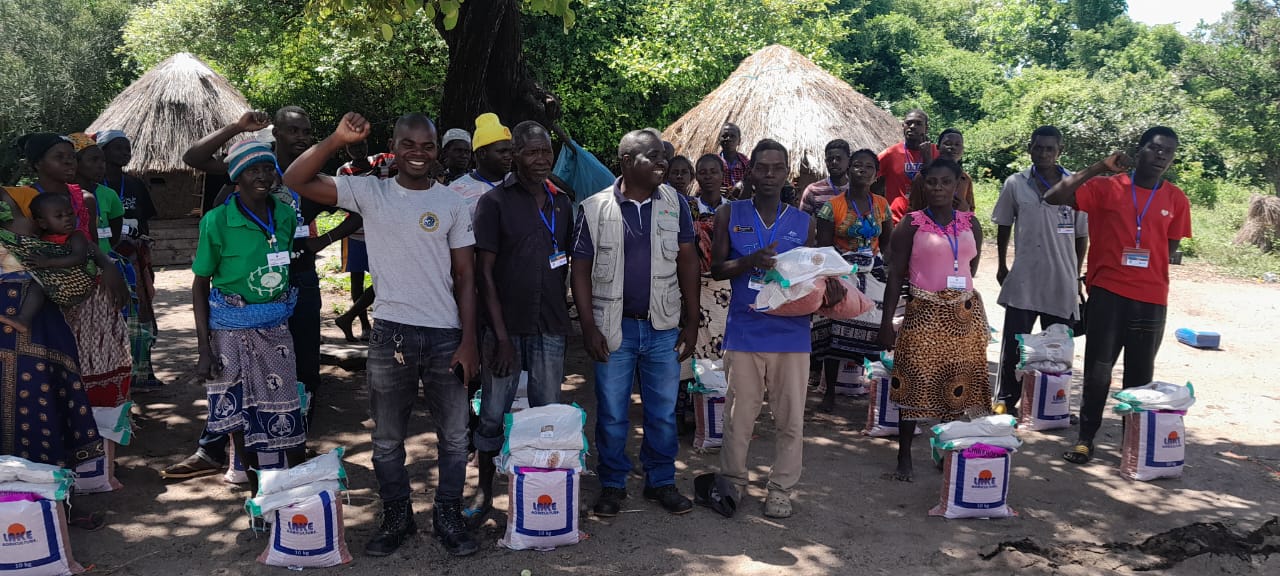
The SLDP Gorongosa aims to contribute to the improvement of the socioeconomic conditions of the communities in the PNG Sustainable Development Zone, through the implementation of interventions that contribute to the increase of agricultural production, the improvement of nutrition indices, the supply of quality water and basic sanitation of the environment, as well as sexual and reproductive health promotion initiatives. The program, with a special focus on women and young people, covers the districts of Cheringoma, Dondo, Gorongosa, Maringué, Muanza and Nhamatanda and will also contribute to reforestation and biodiversity conservation, thus forming part of the Mozambique Government’s Development agenda.
For more general information, visit http://www.gorongosa.org